Ridgetop Dental Details Clinical Guidance on Nightguards for Teeth Grinding
Alexandria, United States – March 11, 2026 / Ridgetop Dental /
Summary:
Ridgetop Dental has released clinical guidance explaining how nightguards are used to manage teeth grinding and clenching. The information outlines how dentists evaluate bruxism, compare appliance options, and determine when protective treatment is most appropriate.
Virginia — Ridgetop Dental has published new educational guidance outlining how nightguards are used to protect teeth and jaw health in patients who grind or clench their teeth, a condition commonly referred to as bruxism. The release explains how grinding affects oral structures over time and how dental professionals assess whether a nightguard is clinically indicated.
Table of Contents
Teeth Grinding Creates Ongoing Stress on Teeth and Jaw Structures
Nightguards Function as a Protective Barrier During Grinding
Clinical Indicators Dentists Use to Evaluate the Need for a Nightguard
Differences Between Store Bought and Custom Nightguards
Situations Where Nightguard Use Is Especially Important
Comfort, Adjustment, and Longevity of Nightguards
Teeth Grinding Creates Ongoing Stress on Teeth and Jaw Structures
According to Ridgetop Dental, teeth grinding often occurs during sleep, leaving many patients unaware of the behavior until symptoms or damage appear. Bruxism places sustained pressure on the jaw muscles and tooth surfaces, sometimes for hours at a time, which can accumulate gradually.
The practice reports that common outcomes of untreated grinding include flattened or worn teeth, enamel cracks or chips, jaw tightness upon waking, tension-related headaches, and increased tooth sensitivity. Because these changes often develop slowly, patients may initially attribute symptoms to stress or routine discomfort rather than an underlying dental issue.
Nightguards Function as a Protective Barrier During Grinding
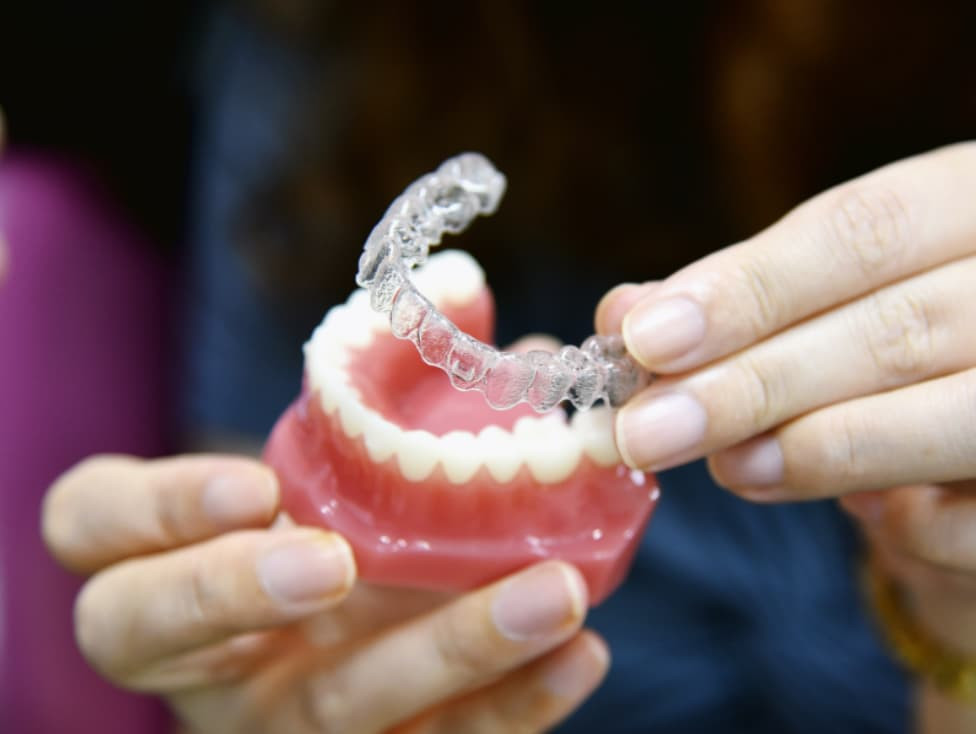
Ridgetop Dental explains that a nightguard works by creating a physical barrier between the upper and lower teeth. Instead of enamel surfaces contacting one another, the appliance absorbs and redistributes biting forces.
This protective role helps limit further tooth wear, reduces strain on jaw joints and muscles, lowers the risk of cracked teeth or damaged dental restorations, and may lessen morning jaw soreness or headaches. While a nightguard does not always eliminate grinding itself, it significantly reduces the harm associated with the behavior.
Clinical Indicators Dentists Use to Evaluate the Need for a Nightguard
The practice notes that dentists do not rely on a single symptom when evaluating grinding. Clinical indicators may include visible wear patterns on teeth, shortened or flattened biting surfaces, new chips or cracks, reports of jaw soreness or frequent headaches, and observations from sleep partners who hear grinding sounds.
Identifying these signs during routine examinations allows dentists to intervene before more extensive damage occurs.

Differences Between Store Bought and Custom Nightguards
Ridgetop Dental distinguishes between over-the-counter nightguards and custom-fabricated appliances. Store bought guards are designed to fit a broad range of mouths, which can lead to bulkiness, shifting during sleep, uneven contact, or increased clenching in some cases.
Custom nightguards are created from impressions of a patient’s teeth, allowing for even contact across the bite and a secure fit. The practice reports that proper fit plays an important role in jaw muscle relaxation and long-term comfort, particularly for patients who grind regularly or have existing dental work.
Situations Where Nightguard Use Is Especially Important
The practice notes that consistent nightguard use is particularly important for patients with crowns or other restorations, a history of cracked or broken teeth, ongoing jaw pain, or known clenching habits during the day or night. Protecting existing dental work can help extend its lifespan and reduce the need for additional restorative procedures.
“Grinding places forces on teeth that are far greater than normal chewing, and those forces add up over time,” said Dr. Preetinder Kaur, BDS, DDS, Cosmetic & General Dentistry. “A properly fitted nightguard allows dentists to protect both natural teeth and restorations while reducing stress on the jaw.”
Comfort, Adjustment, and Longevity of Nightguards
Ridgetop Dental reports that most patients adjust to a custom nightguard within a short period. Initial awareness is common, but a properly fitted appliance should not cause pain or ongoing discomfort. If irritation or uneven pressure occurs, simple adjustments are typically sufficient to restore comfort.
With appropriate care, custom nightguards often last several years, though longevity varies based on grinding intensity and frequency. The practice also notes that stress and anxiety are common contributors to grinding, which is why symptoms often appear during sleep.
Additional clinical information on teeth grinding evaluation and nightguard use is available through Ridgetop Dental’s educational resources.
About Ridgetop Dental
Ridgetop Dental provides comprehensive dental care with an emphasis on patient education, preventive services, and long-term oral health. The practice is guided by its TEAM I.M.P.A.C.T. core values, including teamwork, integrity, accountability, trust, and continuous growth, which shape how care is delivered and how patients are supported throughout their treatment experience.
The practice offers a full range of general, restorative, cosmetic, and advanced dental services, using modern technology and personalized treatment planning to address both immediate concerns and underlying oral health needs. Ridgetop Dental focuses on building long-term relationships with patients through clear communication, comfort-first care, and consistent clinical standards across all locations.
Ridgetop Dental is also committed to community engagement and social responsibility, including partnerships that provide access to dental care for underserved children and participation in local health initiatives across Northern Virginia.
Contact:
Ridgetop Dental
Serving Alexandria, Reston, and Sterling, VA

Contact Information:
Ridgetop Dental
6481 Old Beulah St
Alexandria, VA 22315
United States
Datta Malyavantham
(703) 997-6073
https://ridgetopdental.com/alexandria